 By
What should you ask before a PEO demo?
Start with "why do I think I need a PEO?" rather than "which PEO should I buy?" Ask yourself:
- Am I looking for better benefits?
- Do I need help with payroll, workers' comp or admin?
- Or am I hoping a PEO fixes the fact that nobody in our company owns HR?
Those are completely different problems, and a PEO only solves some of them.
What three mistakes do founders make before a PEO demo?
- Expecting the PEO to notice everything. It won't. The model depends on you recognizing an issue and reporting it.
- Confusing administration with strategy. A PEO processing a special offer for a new hire isn't the same as deciding whether that offer is fair or sustainable.
- Ignoring future data and control. Convenience today can cost you visibility and flexibility later, especially around benefits.
On the third point: if you are on a level-funded plan of your own, with your own HR system, Steve can go in as your broker, look at the claims data and see how employees actually use the plan. That lets you invest in the things that reduce disruption at underwriting, which is what separates a very high renewal from a reasonable one. Inside a PEO's bundle you typically don't get that view.
What should you compare a PEO quote against?
Never compare only PEO quotes against each other. This is probably the most important step. Put the PEO quote next to three alternatives:
| Alternative | When it applies |
|---|---|
| The small group market | Any size |
| A level-funded plan | If you have under 100 employees |
| An HRIS-led model | You control one payroll and benefits system yourself |
Are you choosing whether HR exists?
No. Your company already has HR infrastructure. Whether it's good is another question, but it exists. What you are choosing is who owns it and how deliberately it's built. Complexity, customization and long-term control matter far more than headcount. A PEO can be an excellent tool for the right company, but it is a tool.
At Thinq HR & Insurance Services, we compare all of these for founder-led companies: PEO, benefits, HR, payroll and workers' comp, treated as one connected system. The goal is an open setup that does what makes the most financial sense, gives employees a strong benefits and compensation package, and keeps your admin work easy.
Adapted from Steve's video PEO vs In-House HR, chapters 6:37-9:46.
Common questions
What should I compare a PEO quote against?
The small group market, a level-funded plan if you're under 100 employees, and an HRIS-led setup where you control payroll and benefits.
Will a PEO flag HR problems for me?
No. The model depends on you recognizing issues and bringing them to the PEO.
Do I give anything up by joining a PEO?
Often visibility and flexibility, especially into how employees use your benefits, which shapes future renewals.
What's the first question to ask before a PEO demo?
Why you want one. Benefits, payroll, workers' comp and "nobody owns HR" are different problems with different fixes.
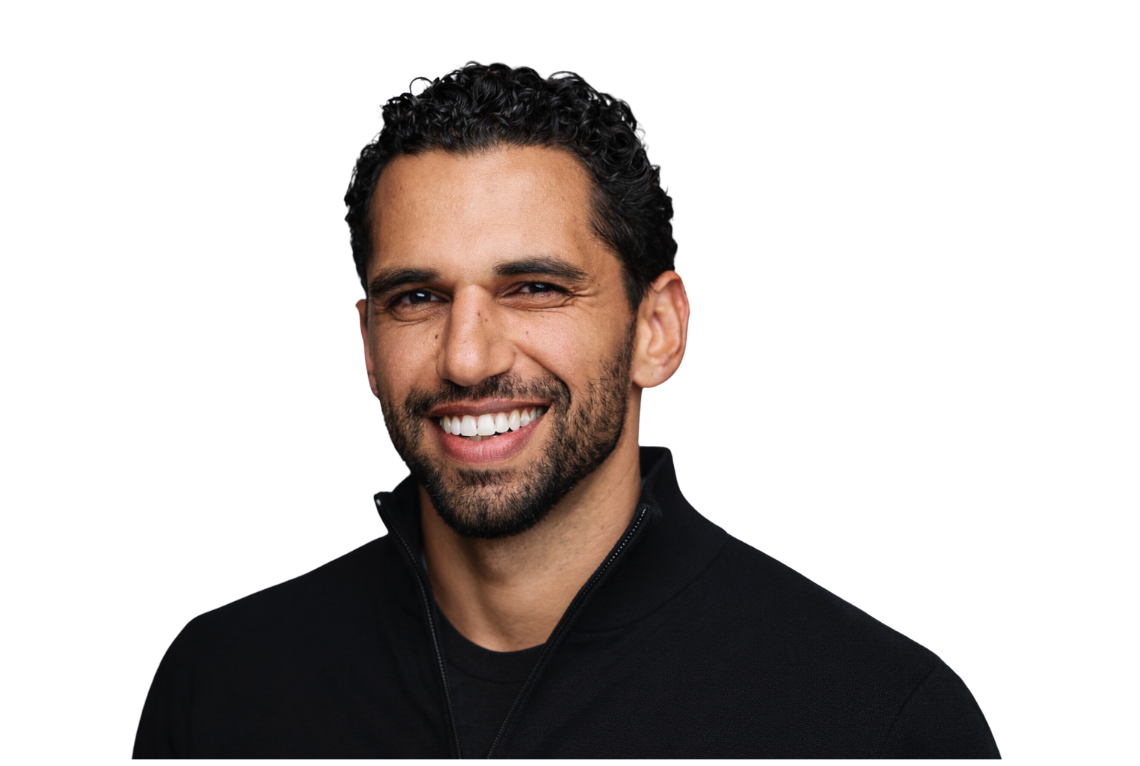
Steve Taylor, founder of Thinq HR & Insurance Services, has 15 years in employee benefits, HR, payroll, PEOs and insurance, including time inside Paychex, ADP and TriNet.